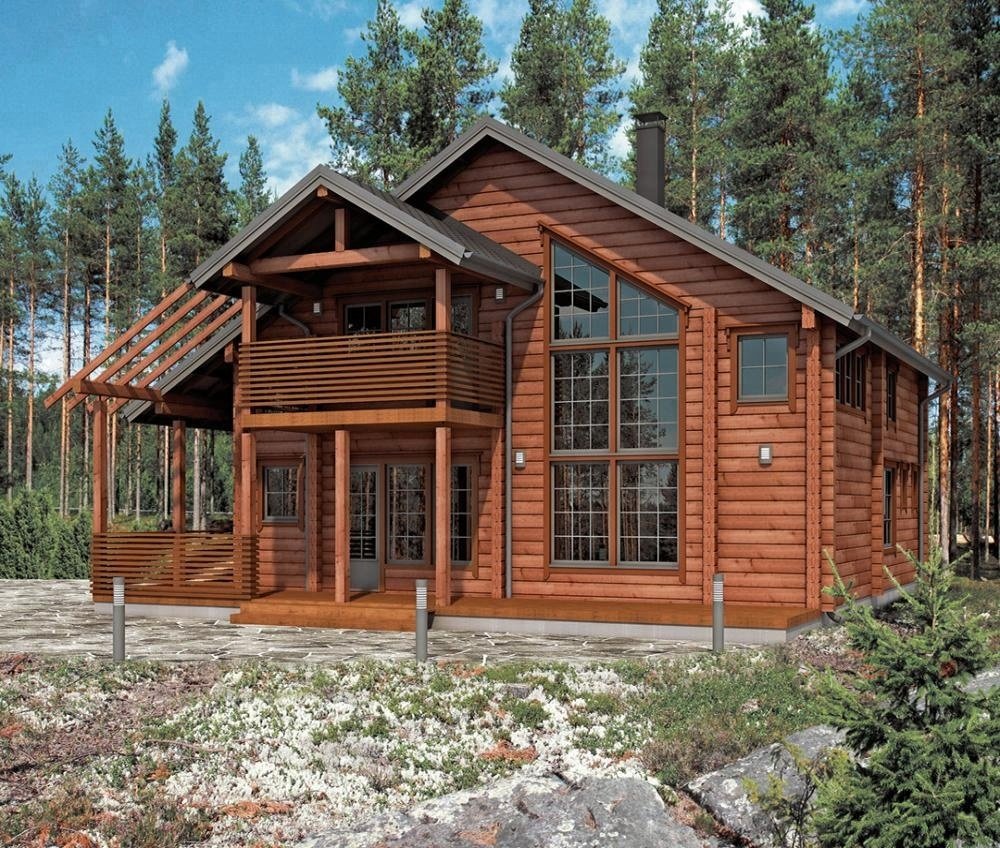
When considering building a home in Kenya, most people immediately think of concrete, stone, and brick—the traditional materials that dominate our urban and rural landscapes. But should timber construction be on your radar? This comprehensive analysis examines whether wood and timber house construction makes sense in the Kenyan context, presenting facts, challenges, and opportunities.
The Current State of Timber Construction in Kenya
Kenya's construction sector has historically relied on conventional materials, with timber relegated primarily to roofing structures, doors, and windows. This preference isn't accidental—it's rooted in decades of building practices, regulations, and public perception.
The Numbers Tell a Story
According to Kenya's Construction Input Price Index (Q1 2024), timber and wood prices have remained relatively stable, with only slight fluctuations. The timber index stood at 95.55 in Q1 2024, showing minimal growth compared to cement (110.71) and steel (168.18), which have seen significant price increases. This price stability could make timber an attractive alternative as other building material costs continue to rise.
Current construction costs in Kenya range between KES 48,750 and KES 122,860 per square meter for residential buildings, depending on location and finishes. While specific data on timber house construction costs is limited, available information suggests timber construction can offer cost advantages, particularly for smaller residential projects.
The Case FOR Timber Construction
1. Environmental Sustainability
Kenya committed to promoting sustainable wood in green construction at COP28, joining a coalition of 17 countries. The government has set an ambitious target to grow 15 billion trees and increase plantation area to 750,000 hectares. Timber construction aligns with these environmental goals in several ways:
- Carbon sequestration: Wood stores carbon throughout its lifecycle, unlike concrete and steel which account for approximately 11% of global carbon emissions
- Lower embodied energy: Timber requires significantly less energy to process compared to cement and steel
- Renewable resource: When sustainably sourced from commercial plantations, timber is a renewable building material
Organizations like Gatsby Africa are pioneering sustainable timber construction, demonstrating that timber flooring systems and other innovations can be cost-competitive with traditional materials while reducing environmental impact.
2. Faster Construction Times
Timber construction, particularly prefabricated and modular systems, offers significantly faster build times compared to conventional masonry. Projects that would take 6-8 months using traditional methods can be completed in 3-4 months with timber framing, reducing labor costs and financing expenses.
3. Seismic Performance
Research at the University of Nairobi has explored Cross-Laminated Timber (CLT) and custom I-shaped panels, which offer excellent structural performance. Timber structures have natural flexibility that can better withstand seismic activity compared to rigid concrete structures—an important consideration for earthquake-prone regions in Kenya.
4. Thermal Comfort
Wood provides natural insulation properties superior to concrete and stone. In Kenya's diverse climate zones—from the hot coast to the cool highlands—timber buildings can maintain more comfortable interior temperatures, potentially reducing energy costs for heating and cooling.
5. Job Creation and Economic Development
Kenya's forest sector currently provides direct employment for up to 50,000 people and indirect employment for approximately 600,000. Expanding timber construction could create significant downstream markets for commercial forestry, generating additional jobs in rural areas where tree farming is practiced.
The Case AGAINST Timber Construction
1. Termite Risk: A Critical Concern
Kenya's tropical and subtropical climate creates ideal conditions for termites, making this one of the most significant challenges for timber construction. Research shows that subterranean termites are particularly prevalent and can cause extensive damage.
The Reality: While termites pose a serious threat, solutions exist:
- Naturally resistant species like Burmese teak, kempas, and casuarina pine show good resistance
- Chemical treatments with preservatives like boracol
- Physical barriers such as reinforced concrete slabs and steel stirrups
- Proper construction techniques including elevated foundations and moisture control
However, these protective measures add cost and require ongoing maintenance, making timber more expensive and management-intensive than initially apparent.
2. Moisture and Rot
Kenya's high humidity zones—including coastal regions and areas with year-round rainfall like Limuru, Nyeri, and Kakamega—pose significant challenges. Timber exposed to continuous moisture is vulnerable to:
- Warping and swelling
- Fungal decay
- Structural weakening
Proper treatment, moisture-resistant design, and regular maintenance are essential but add to long-term costs.
3. Limited Supply Chain and Quality Control
Kenya faces significant challenges in timber supply:
- Processing inefficiency: Current sawmill efficiency is only 30%, compared to international standards of 45% or higher
- Supply constraints: The 2018 logging ban, while environmentally important, has strained commercial supply
- Quality issues: Lack of standardized timber grading means inconsistent quality in the market
- Illegal logging: Much of the available timber comes from private land or illegal sources, raising sustainability concerns
A United Nations Development Programme report highlights that Kenya needs improved timber grading standards, better processing efficiency, and investments across the value chain to support sustainable timber construction.
4. Cultural Perception and Social Barriers
Studies reveal that many Kenyans associate wooden structures with temporary, low-income housing. This perception creates significant market resistance:
- Developers worry about buyer acceptance
- Financial institutions may be hesitant to provide mortgages
- Resale value concerns deter potential builders
One surveyed Kenyan stated: "I have seen it used for floor, ceiling and kitchen cabinets. I have never seen a wooden building that holds beyond two floors." This limited exposure to modern timber construction perpetuates negative perceptions.
5. Regulatory and Approval Challenges
Kenya's building regulations have historically favored conventional materials:
- Current building codes primarily reference stone, concrete, and brick construction
- Obtaining approval for timber structures in urban areas can be difficult
- The Kenya National Building Code (2024) is gradually incorporating modern standards, including Eurocode 5 (Design of Timber Structures), but implementation is still developing
- Insurance companies typically only cover "first and second class construction" (stone, concrete, or brick walls with tile, concrete, or iron sheet roofing)
6. Fire Risk
Timber's combustibility is a legitimate concern, particularly in densely populated urban areas. While modern engineered timber products like CLT have improved fire resistance, obtaining fire safety approvals and insurance coverage can be more challenging and expensive for timber structures.
7. Mortgage and Insurance Accessibility
Most Kenyan mortgage lenders and insurance companies have strict requirements regarding building materials. Standard home insurance policies explicitly cover buildings of "first and second class construction"—walls made of stone, concrete, or bricks with approved roofing. Timber structures may face:
- Difficulty securing mortgage financing
- Higher insurance premiums
- Limited insurance provider options
- Potential mortgage refinancing complications
Mass Timber: The Future Potential
Mass timber—engineered wood products like Cross-Laminated Timber (CLT)—represents a modern evolution that addresses many traditional timber concerns. These products offer:
- Enhanced structural strength for multi-story buildings
- Improved fire resistance through char layers
- Dimensional stability
- Faster construction
However, mass timber faces even greater barriers in Kenya:
- Higher costs due to limited local supply
- Lack of manufacturing facilities
- Minimal public and professional awareness
- Absence of demonstration projects
Research from the Biobased Construction East Africa Coalition suggests that building confidence in any wood construction today—even simple applications—will help prepare the market for mass timber's future adoption.
The Verdict: Should You Consider Timber Construction?
YES, if:
- You're building in a controlled environment: Rural settings where you can implement proper termite control, moisture management, and regular maintenance
- You prioritize sustainability: You're committed to environmental responsibility and want to reduce your carbon footprint
- You have access to quality materials: You can source properly treated, graded timber from reputable suppliers
- You're willing to invest in protection: You understand that termite barriers, treatments, and elevated foundations are non-negotiable
- You don't need mortgage financing immediately: Or you have identified lenders willing to finance timber construction
- You're building a secondary structure: Garden studios, farm buildings, or guesthouses where insurance and resale concerns are less critical
NO, if:
- You need mortgage financing: Most lenders in Kenya are hesitant to finance timber primary residences
- You're building in high-humidity coastal areas: Without exceptional moisture protection measures
- Resale value is paramount: Market perception currently favors conventional construction
- You cannot commit to ongoing maintenance: Timber requires more regular inspection and upkeep than concrete
- You're building multi-story structures: Until Kenya develops more robust mass timber supply and expertise
- You cannot afford comprehensive termite protection: This is non-negotiable in Kenya's climate
Practical Recommendations
If you decide to pursue timber construction in Kenya:
Design and Planning
- Work with architects experienced in timber construction
- Elevate structures on concrete foundations with steel footings
- Design roof overhangs to protect walls from rain
- Ensure proper ventilation to manage moisture
- Create visual termite barriers for easy inspection
Material Selection
- Choose naturally resistant species: Cypress, certain pine varieties, or imported teak
- Insist on pressure-treated timber with documented preservative treatments
- Verify timber grading certificates from Kenya Bureau of Standards (KEBS)
- Avoid sapwood—always use heartwood for structural applications
Construction
- Hire contractors with timber construction experience
- Implement comprehensive termite barriers before construction
- Keep all timber elevated and away from ground contact
- Install moisture barriers and proper drainage
- Use stainless steel or hot-dip galvanized fasteners to prevent rust
Maintenance
- Conduct annual termite inspections
- Reapply protective treatments every 3-5 years
- Address moisture issues immediately
- Maintain clear space around the structure for inspections
- Keep vegetation trimmed away from timber surfaces
The Future Outlook
Kenya stands at a crossroads in timber construction. Government initiatives, environmental commitments, and innovative organizations are working to overcome barriers, but significant challenges remain.
Success stories like Unity Homes partnering with Gatsby Africa to test innovative timber systems in affordable housing projects demonstrate that change is possible. As Kenya develops:
- Better timber grading standards
- More efficient processing facilities
- Demonstration projects showcasing timber's viability
- Updated building codes accommodating modern timber systems
- Professional training in timber construction techniques
The viability of timber construction will improve. However, these changes require time—likely 5-10 years before mainstream acceptance.
Final Thoughts
Would I consider timber house construction in Kenya? The answer is nuanced: Yes, for the right project, in the right location, with the right expertise and commitment—but not as a blanket recommendation for everyone.
Timber construction offers genuine environmental benefits and can be cost-competitive, but only when you account for comprehensive protection measures and ongoing maintenance. The current regulatory environment, supply chain challenges, and cultural perceptions create significant practical barriers that cannot be ignored.
For most Kenyans building their primary residence with mortgage financing, conventional construction remains the pragmatic choice in 2025. However, for environmentally conscious builders with cash financing, rural properties, or secondary structures, timber offers a viable and sustainable alternative—provided you enter with full awareness of the requirements and challenges.
The future of timber construction in Kenya is promising, but we're not there yet. Those who pioneer timber construction today are investing in both their homes and Kenya's sustainable building future.
Key Takeaways
✓ Timber construction is environmentally sustainable and can be cost-competitive
✓ Termite protection and moisture management are non-negotiable in Kenya
✓ Supply chain challenges and quality control issues persist
✓ Mortgage and insurance accessibility remains limited
✓ Cultural perceptions favor conventional construction
✓ Success requires expertise, quality materials, and long-term maintenance commitment
✓ Kenya's timber construction market is developing but needs 5-10 years for mainstream viability
Have you built with timber in Kenya? Share your experience in the comments below. For more insights on construction in Kenya, visit makaobora.com.




Comments
Post a Comment